DANSOM Lab
Data-driven Neuroscience of Meditation
Michigan State University
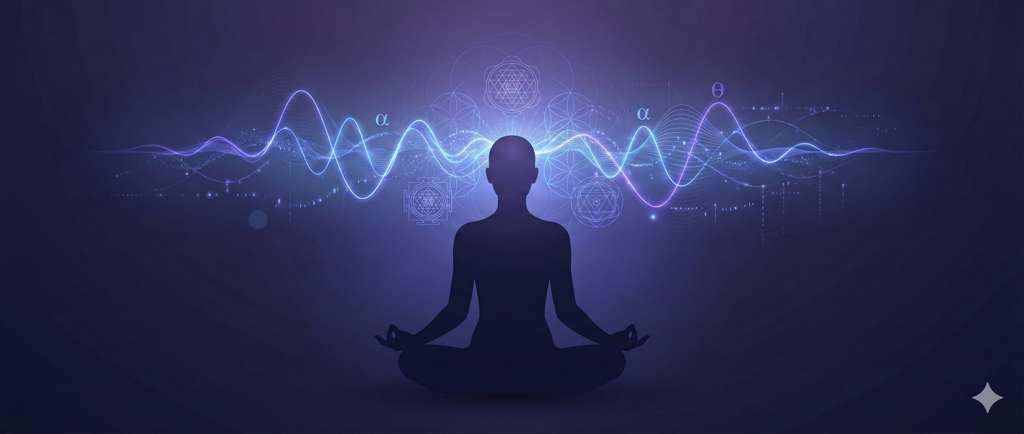
The DANS-OM Lab (Data-driven NeuroScience Of Meditation) at Michigan State University advances the scientific understanding of meditation through data-driven research. We employ computational neuroscience, advanced signal processing, machine learning, and rigorous experimental psychology to study contemplative practices.
Our research focuses on quantifying neural dynamics, and physiological and behavioral effects of meditation using high-density EEG (64-channel wireless) systems and other devices, questionnaires, and advanced data analysis and machine learning. We investigate various meditation techniques including breath-focus meditation and mantra-based meditation through longitudinal studies of new and expert meditators and examining event-related potentials (P300), oscillatory biomarkers (alpha/theta power, IAF/IAP), and behavioral correlates (MAIA, FFMQ, PSS). Our goal is to establish evidence-based frameworks for meditation practice and states of consciousness through rigorous scientific inquiry.
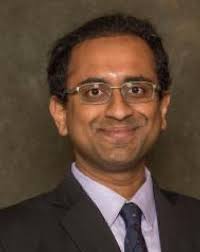
Leadership: The DANSOM Lab is directed by Dr. Saiprasad Ravishankar and has evolved from the SLIM (Signals, Learning & Imaging) Lab, expanding to focus specifically on contemplative neuroscience and meditation research.
We maintain an in-house EEG lab facility equipped with state-of-the-art 64-channel wireless EEG systems, enabling longitudinal studies that track neural changes over weeks and months of meditation practice.
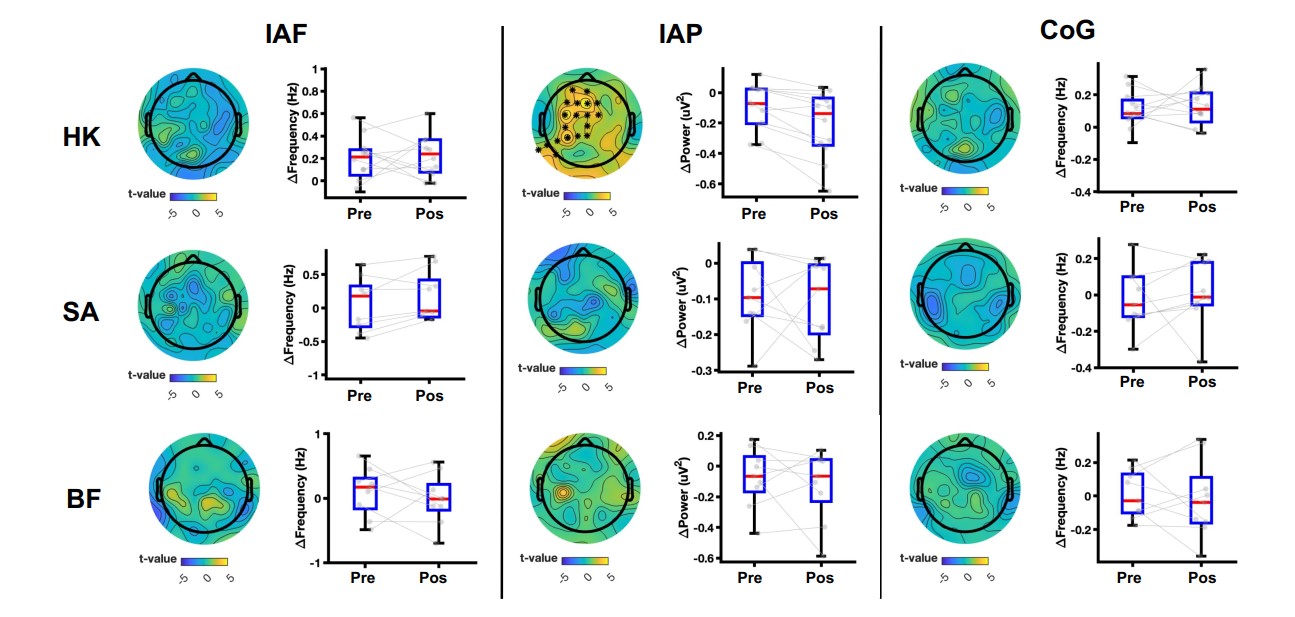
Long-term Neuroplasticity: Six weeks of Hare Krishna mantra meditation showed enhanced alpha power during practice compared to rest, suggesting improved attentional control with consistent practice.
📄 View Full Poster →We use advanced spectral analysis, FOOOF decomposition, and machine learning to identify neural biomarkers and understand the transformative effects of sustained contemplative practice.
Examining longitudinal improvements in attention, cognitive processing speed (P300 latency), mindfulness, interoceptive awareness, and stress reduction through controlled meditation interventions lasting 6+ weeks. Understanding how consistent, deep practice leads to lasting neuroplastic changes and enhanced well-being.
Using AI & machine learning for real-time identification of meditation state and their patterns. We distinguish authentic meditative states from mind-wandering with goal of enabling neurofeedback.
Highlights from our lab activities, conference presentations, and research events.
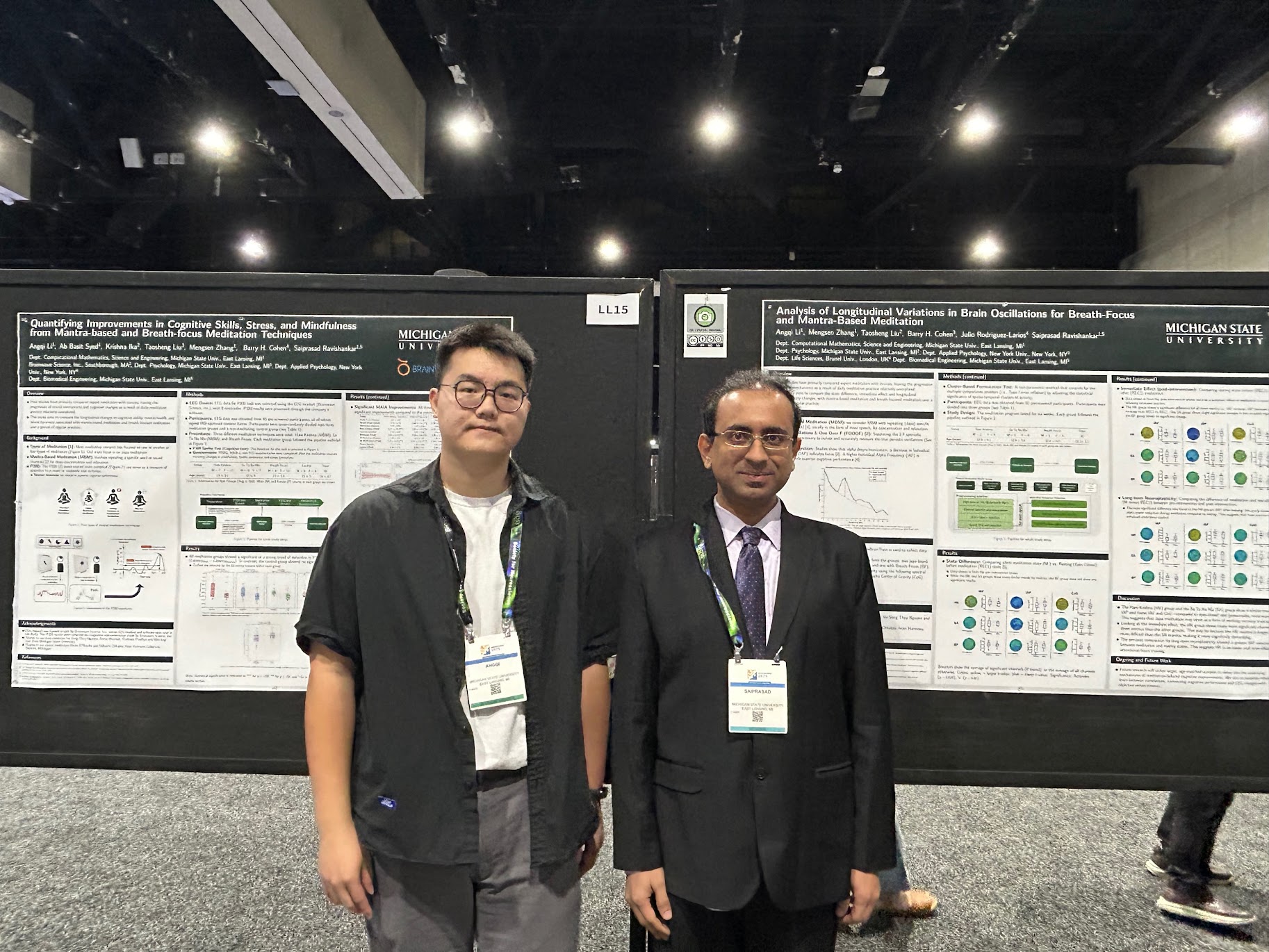
Angqi and Dr. Sai next to their two posters
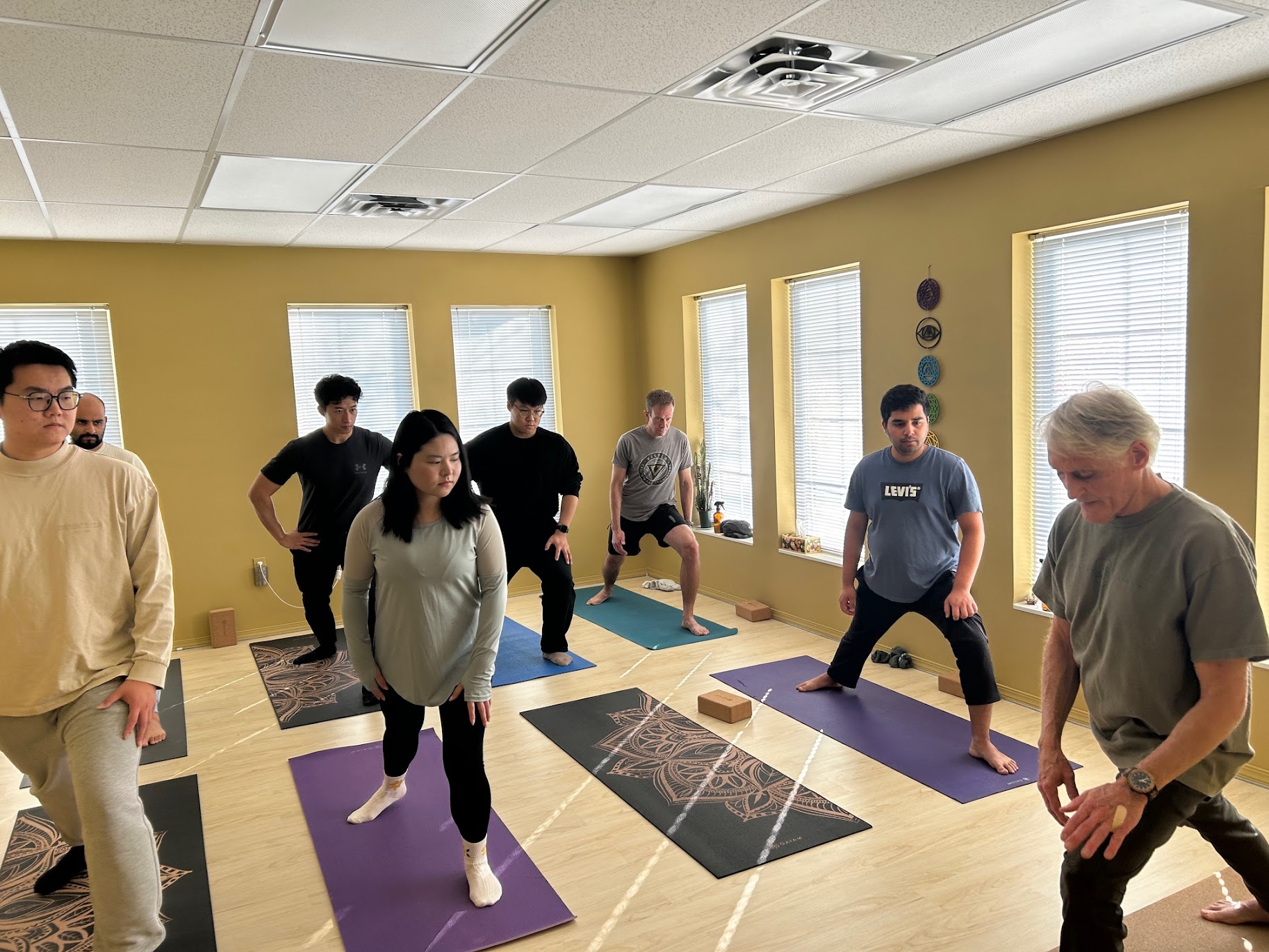
Research Group regularly meets together for Yoga & meditation sessions
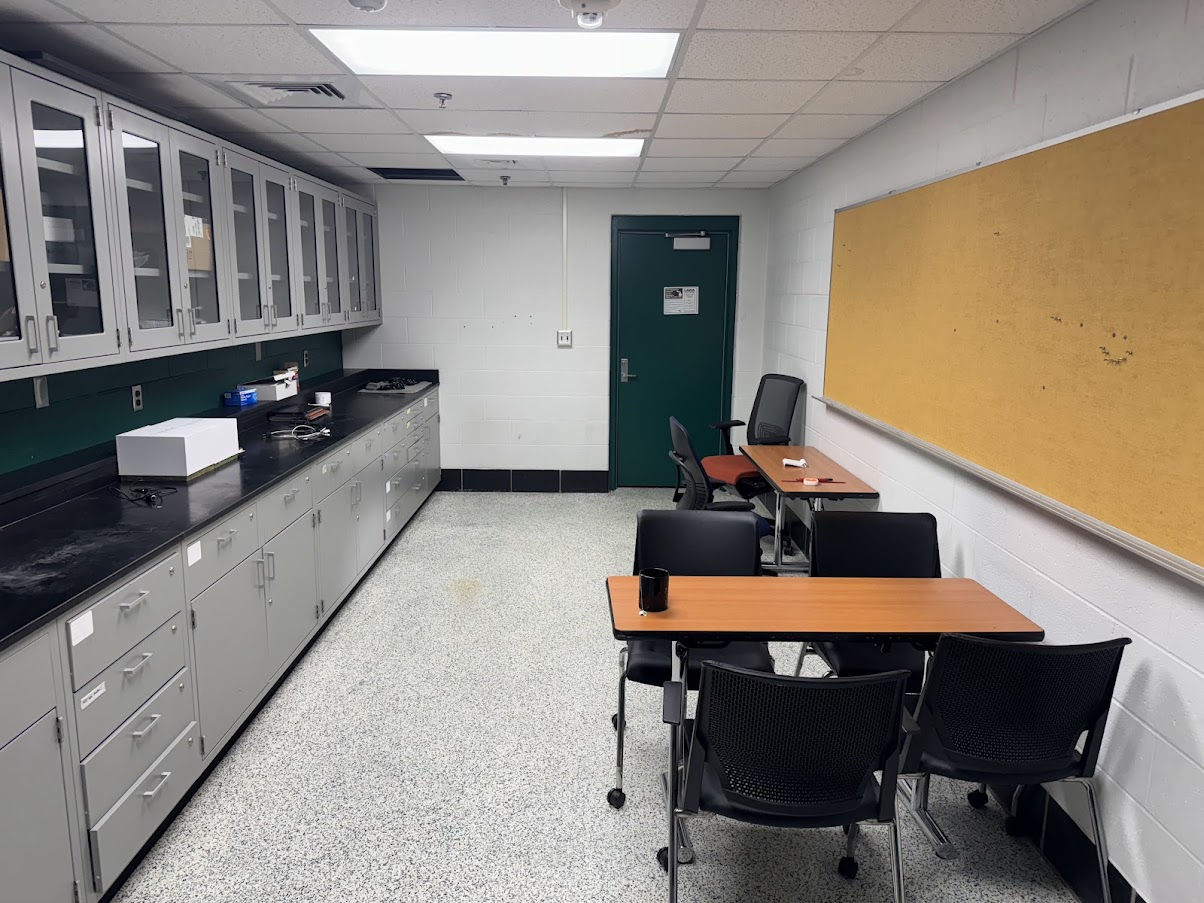
Seeing the strides made by the research group, MSU grants a lab for EEG Research
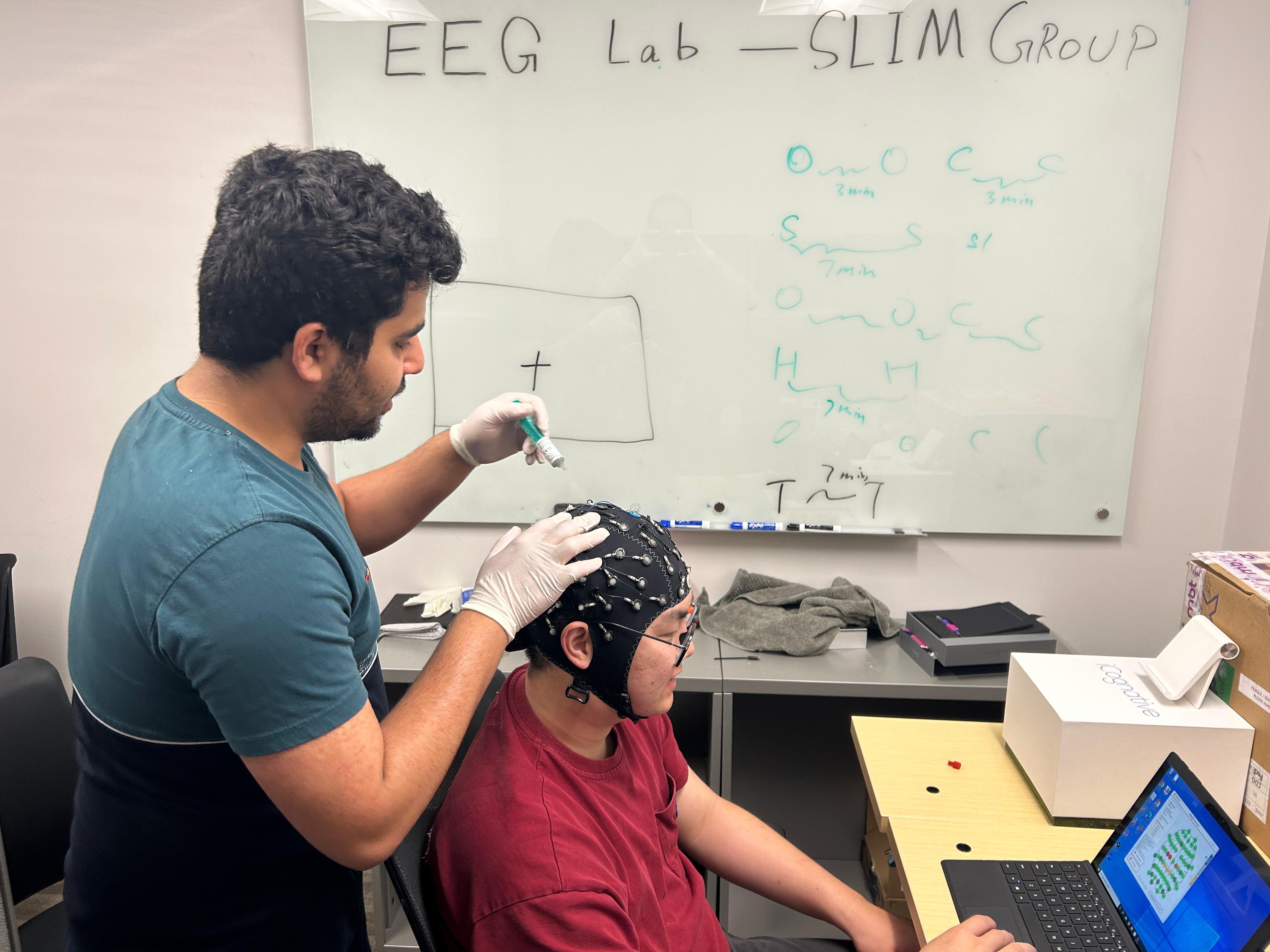
Getting ready for EEG data collection
Computational Mathematics, Science & Engineering and Biomedical Engineering, Michigan State University
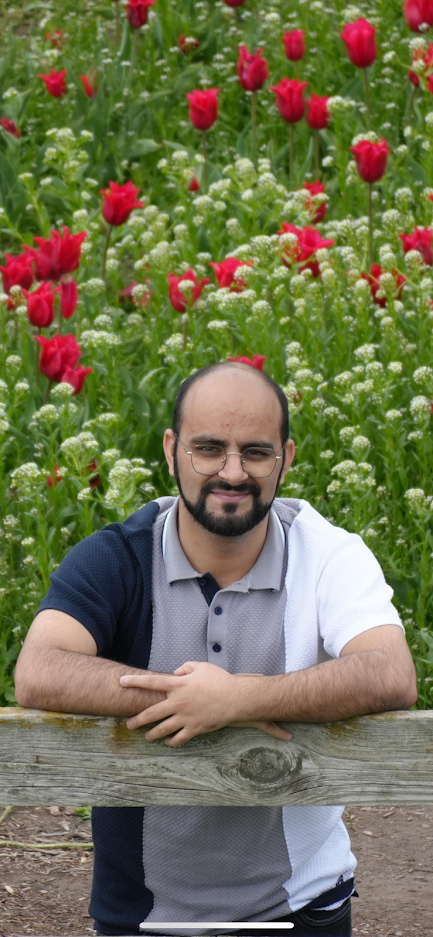
Computational Mathematics, Science & Engineering, Michigan State University
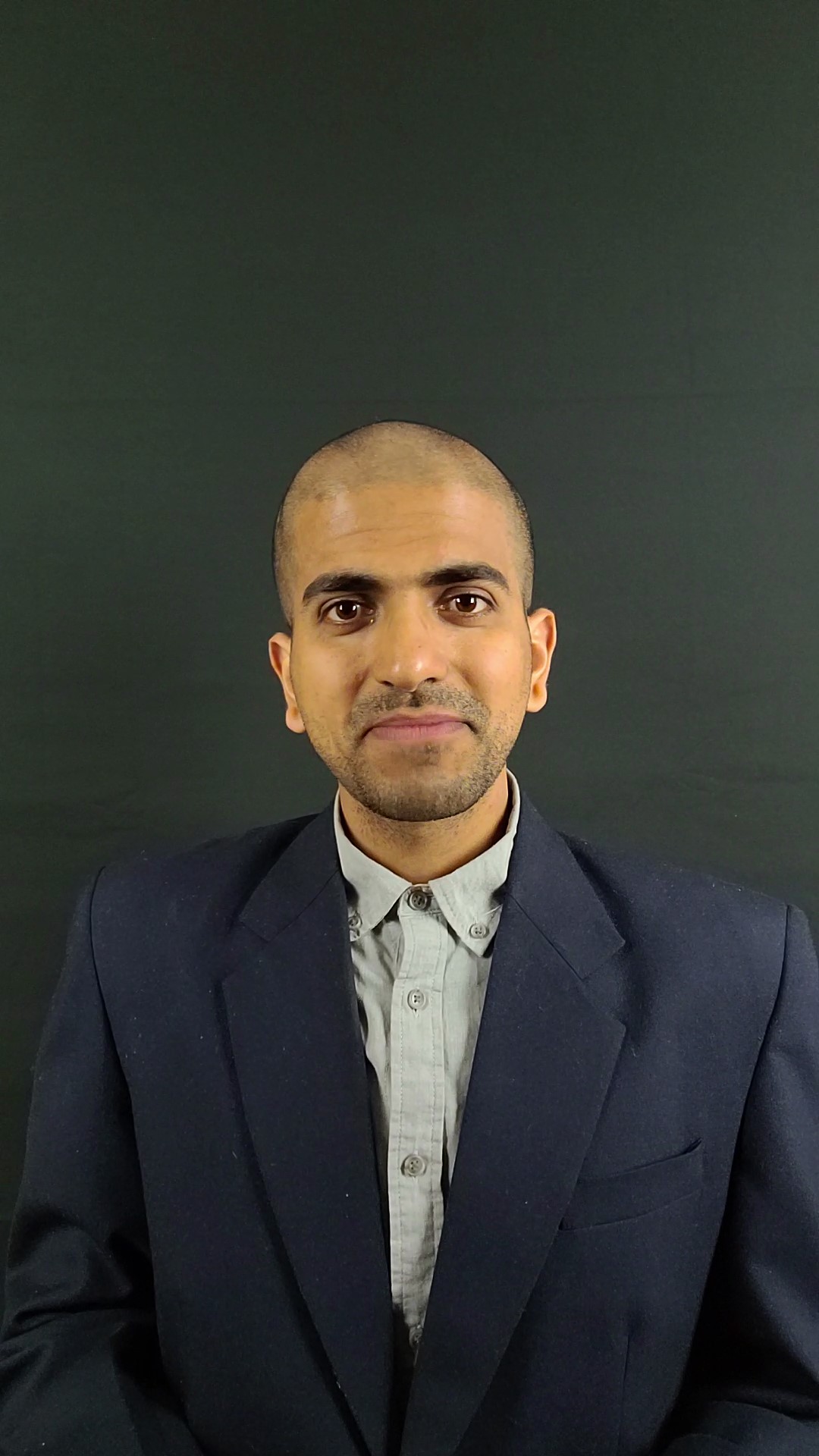
Harmony Collective, Ypsilanti
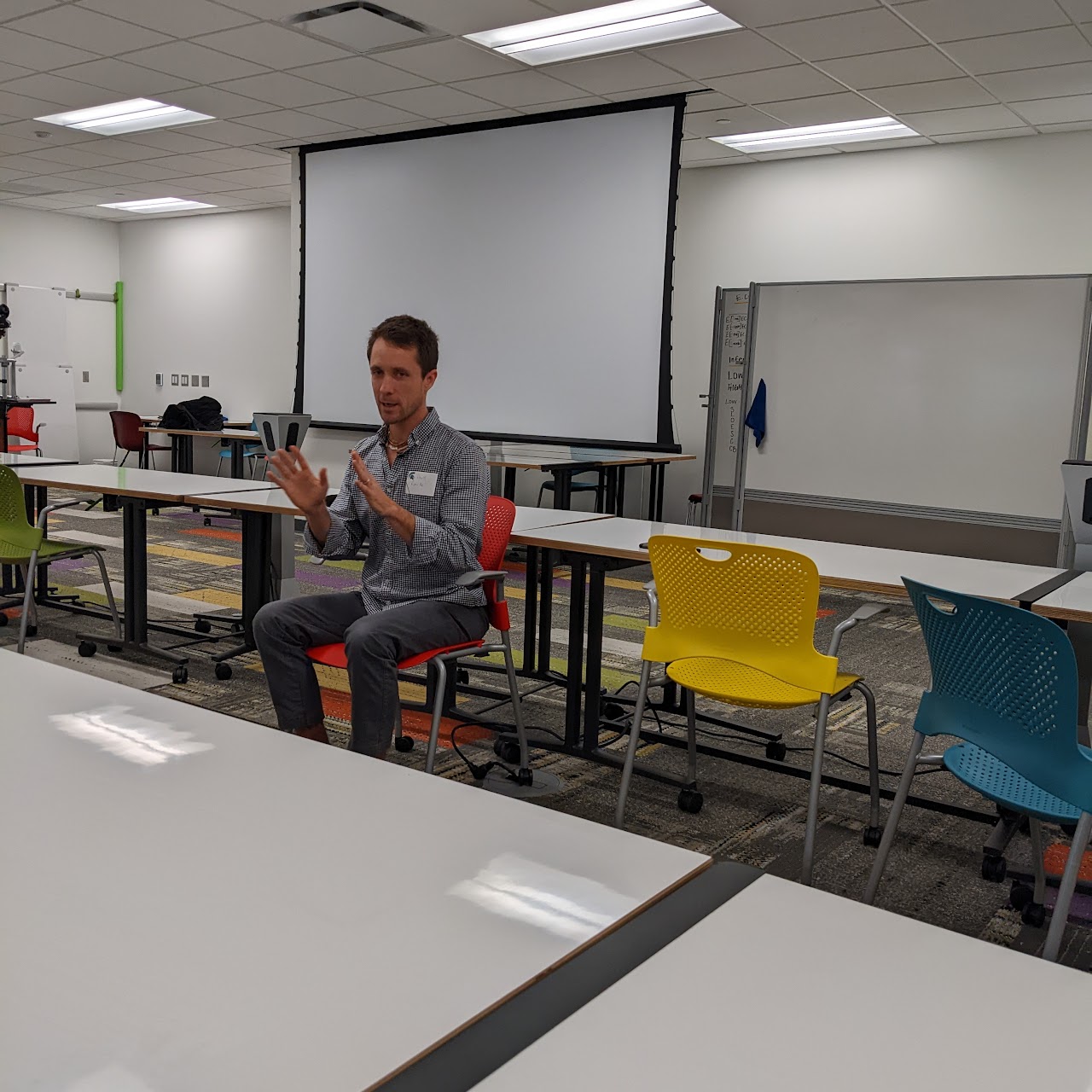
Harmony Collective, Ypsilanti
Pratham Pradhan, Vu Song Thuy Nguyen, Annie Wozniak, Genevieve Orlewicz, Alisia Coipel
We are actively seeking motivated PhD students to join the DANSOM Lab. Ideal candidates will have:
Undergraduate and Master's students are invited to apply for summer research internships.
Duration: 8-12 weeks | Remote or In-person
Eligibility: Current undergraduate or Master's students in relevant fields
For PhD positions, internships, or collaboration inquiries:
Email: ravisha3@msu.edu
Lab Director:
Dr. Saiprasad Ravishankar
Department of Computational Mathematics, Science and Engineering
Michigan State University
East Lansing, MI 48824